
The 5 Photo Types Every Ambitious Brand Needs (And Why Each One Matters)
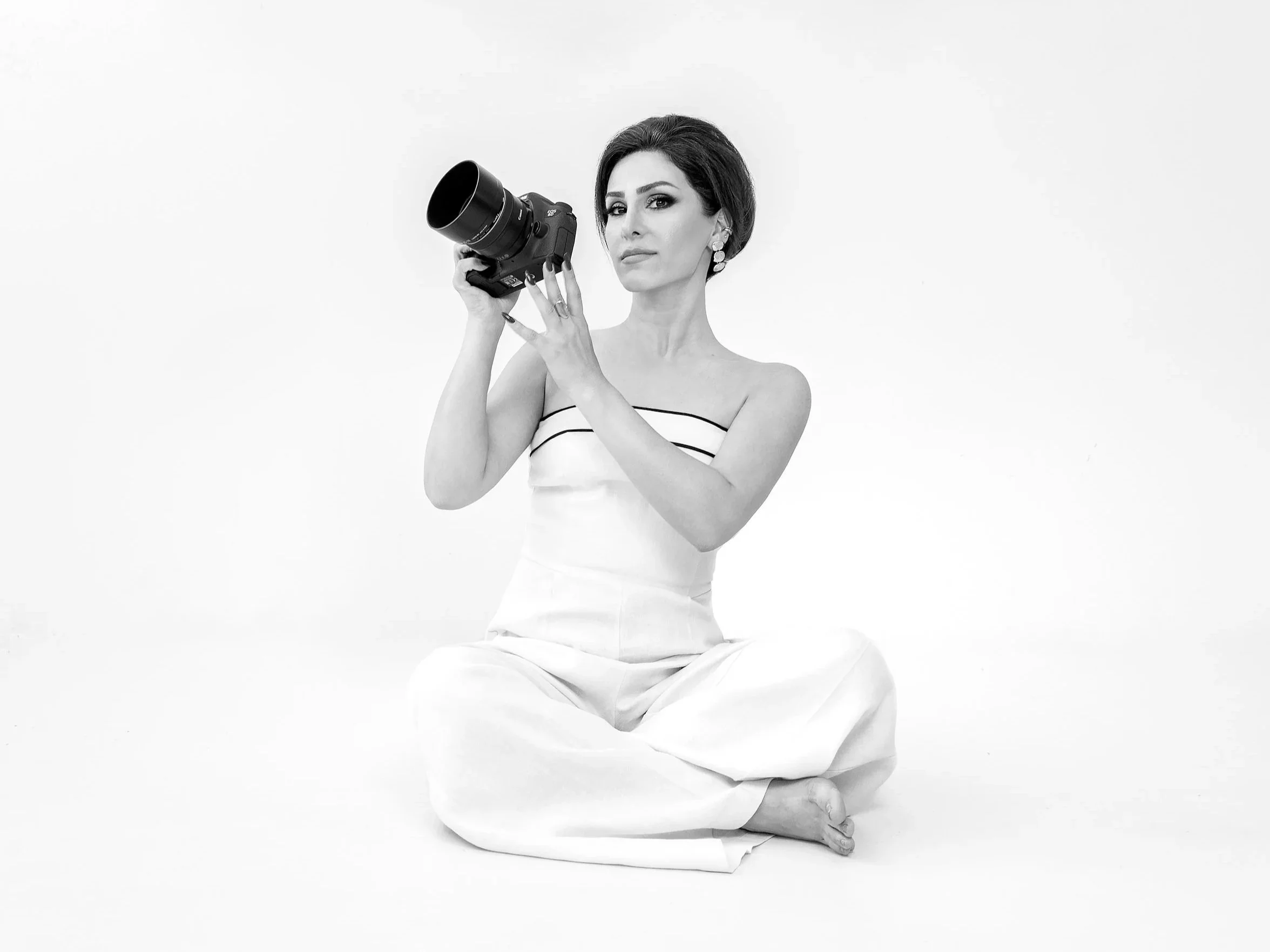
Not all business photos are created equal. Here are the 5 essential photo types that every serious brand needs to build trust and drive growth.
Think about the brands you trust most.
Not the ones with the flashiest logos or the biggest marketing budgets. The ones you actually want to work with.
What do they have in common?
You can see them. You know what they look like. You've seen them in action. You understand what they do. You've seen their team. You know their values.
That's not an accident.
Most ambitious brands understand something that beginner brands don't: Different moments require different photos. A headshot is not a behind-the-scenes shot. A testimonial photo isn't the same as a team photo. A photo of you teaching isn't the same as a photo of you resting.
Each photo type serves a specific purpose. Each builds trust in a different way. And together, they tell a complete story about who you are and what you do.
Here's the thing: You probably know you need professional photos. But you might not know which photos you actually need.
This guide breaks it down.
WHY THIS MATTERS
Let me ask you something: How many different photos of yourself or your business do you currently have?
Not just one. Multiple. Different scenarios. Different settings. Different angles.
If you're like most ambitious entrepreneurs, the answer is probably "not enough."
Here's why this matters: People don't make decisions based on one photo. They make decisions based on a complete picture.
When someone is considering working with you, they're gathering information from multiple touchpoints:
Your website (they see your photo)
Your Instagram (they see behind-the-scenes)
Your LinkedIn (they see your headshot)
Your emails (they see you teaching/sharing)
In-person (they already recognize you)
Each of these moments is an opportunity to build trust. But they require different photos.
You need variety. You need strategy. You need the right photo type for the right moment.
That's what separates brands that feel real from brands that feel corporate.
TYPE 1 - PERSONAL BRAND / HEADSHOT
Your Personal Brand Shot (The Face of Your Business)
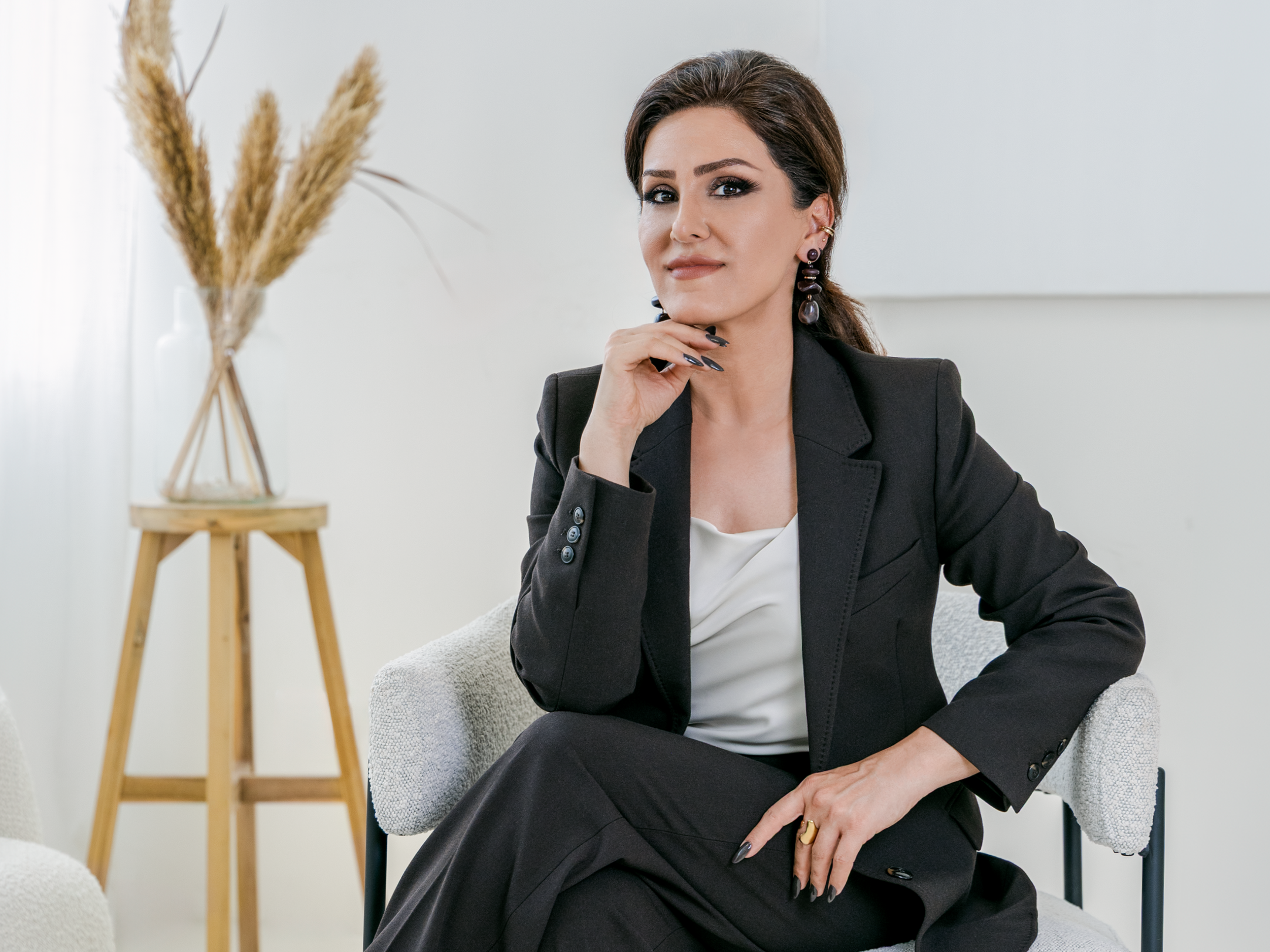
This is the foundation.
Your personal brand shot is the primary photo of you that people see when they land on your website, scroll your LinkedIn profile, or receive your email. It's professional. It's polished. But it's you.
Key characteristics:
Shot in good lighting (natural or professional)
Shows personality (you look approachable and confident)
Clean, intentional background
Professional but warm energy
Usually shoulders-up or waist-up framing
You look like yourself, not like a corporate robot
Why you need it: People need to see you. Not your logo. Not a generic image. You. When you show up authentically in your brand, people trust you faster. They remember you. They imagine what it's like to work with you.
This is the first photo someone sees when they visit your website. It sets the tone for everything else.
Where it goes:
Website (homepage, about page)
LinkedIn profile photo
Email signature
Social media profiles
Business cards
Google My Business
The mistake brands make: Using a 5-year-old photo and/or forcing a stiff, overly formal pose. Or hiding their personality. Your personal brand shot should look like you on your best day—confident, warm, approachable, not like a passport photo.
TYPE 2 - BEHIND-THE-SCENES
The Real Work Happening
People don't just buy what you do. They buy the story behind what you do.
Behind-the-scenes photos show the work, the effort, the reality of running your business. They show you're not a robot. They show your values. They humanize your brand.
Key characteristics:
Shot in your actual workspace (office, studio, home setup)
Shows real activity (you working, collaborating, creating)
Natural lighting, authentic moments
People can see what you actually do day-to-day
Energy is real, not posed
Shows your environment, your team, your process
Why you need it: Behind-the-scenes photos build connection in a way that polished photos can't. They say, "This is the real me, doing the real work." In the age of AI, people crave authenticity. They want to know that you're not hiding anything. These photos prove you're the real deal.
Where it goes:
Instagram Stories and feed
TikTok or Reels
Email newsletters
Your blog or website
LinkedIn posts
Social media content
The mistake brands make: Making behind-the-scenes photos look too polished. The whole point is to show reality. If it looks staged or over-edited, people can tell. Keep it real. The imperfect moments are usually the best ones.
TYPE 3 - WORK IN ACTION
You Doing What You Do!
This is where people see you actually working.
Not posing. Not standing there. Actually engaged in your work—teaching a workshop, consulting with a client, creating something, delivering your service, speaking on stage.
Key characteristics:
You're actively engaged in your work
Shows your expertise in action
Professional but dynamic energy
Captures a moment of teaching, leading, or creating
People can see your confidence and skill
The setting matters (it shows where/how you work)
Why you need it: People want to see that you know what you're doing. They want proof. When they see you confidently leading a workshop, consulting with a client, or creating something, they think "okay, this person knows their stuff." It builds credibility fast.
This is especially powerful for coaches, consultants, educators, and anyone whose value is in their expertise or teaching.
Where it goes:
Website (especially services or about page)
LinkedIn posts and articles
Testimonials or case study pages
Social media (particularly LinkedIn)
Email newsletters
Sales page or pitch materials
The mistake brands make: Using old, low-quality photos or screenshots from video calls. These deserve real photography. A client or colleague with a good camera can capture these moments. It's worth investing in.
TYPE 4 - TEAM / CULTURE
If you have people on your team, people need to see them.
Team photos build trust differently. They say "we're a real organization with real people who care." They humanize your brand and show the culture behind the work.
Key characteristics:
Mix of individual headshots and group photos
Shows personality and approachability
Shot in your actual workspace or environment
People look real, not stiff
Captures team energy and connection
Variety of poses and groupings
Why you need it: People want to know who they're working with. They want to feel like they know the team. Team photos do that. Even if you're a solo founder, showing photos of your collaborators, mentors, or business partners builds credibility. It shows you're not hiding. You've got a real operation.
Where it goes:
Website (team page, about page)
LinkedIn (company profile, employee profiles)
Social media
Email signatures
Google My Business
Team announcement posts
The mistake brands make: Using generic stock photos of "teams" instead of real photos of their actual team. People can tell the difference instantly. Use real photos of real people. Every time.
TYPE 5 - CLIENT TRANSFORMATION / RESULTS
The Impact You Create

This is the most powerful photo type.
Client transformation photos show the impact of your work. They show real people whose lives have improved because of what you do. Before/after. Success stories. Results.
Key characteristics:
Shows a real client (with permission)
Captures before/after if applicable
Shows tangible results or positive change
Includes a testimonial or success story
Builds emotional connection
Proof that your work actually works
Why you need it: Nothing sells like proof. When someone sees a real person who got real results from working with you, they think "that could be me." It's the most persuasive photo type you have. Period.
Where it goes:
Website (especially services, testimonials, or case study pages)
Case study blog posts
LinkedIn testimonials
Email marketing
Sales pages
Social media success stories
The mistake brands make: Not asking clients for permission. Or using photos without genuine testimonials. The power of these photos is that they're real. If someone doesn't consent or if the story isn't authentic, it won't work. Always ask. Always get permission. Always pair with an actual testimonial.
Here's what I want you to do right now:
Take inventory. Look at your current photos. Do you have all 5 types? Or are you missing some?
Most ambitious brands are missing at least 2-3 types. That's a gap. That's an opportunity.
When you have all 5 photo types, your brand becomes real. It becomes human. It becomes trustworthy.
And that's when growth accelerates.
Ready to create a complete photo strategy for your brand?
Let's Talk About Your Brand Photography Strategy
I'd love to chat about what's possible for you.
