
Your Ideal Client Is Deciding Before You Ever Speak to Them
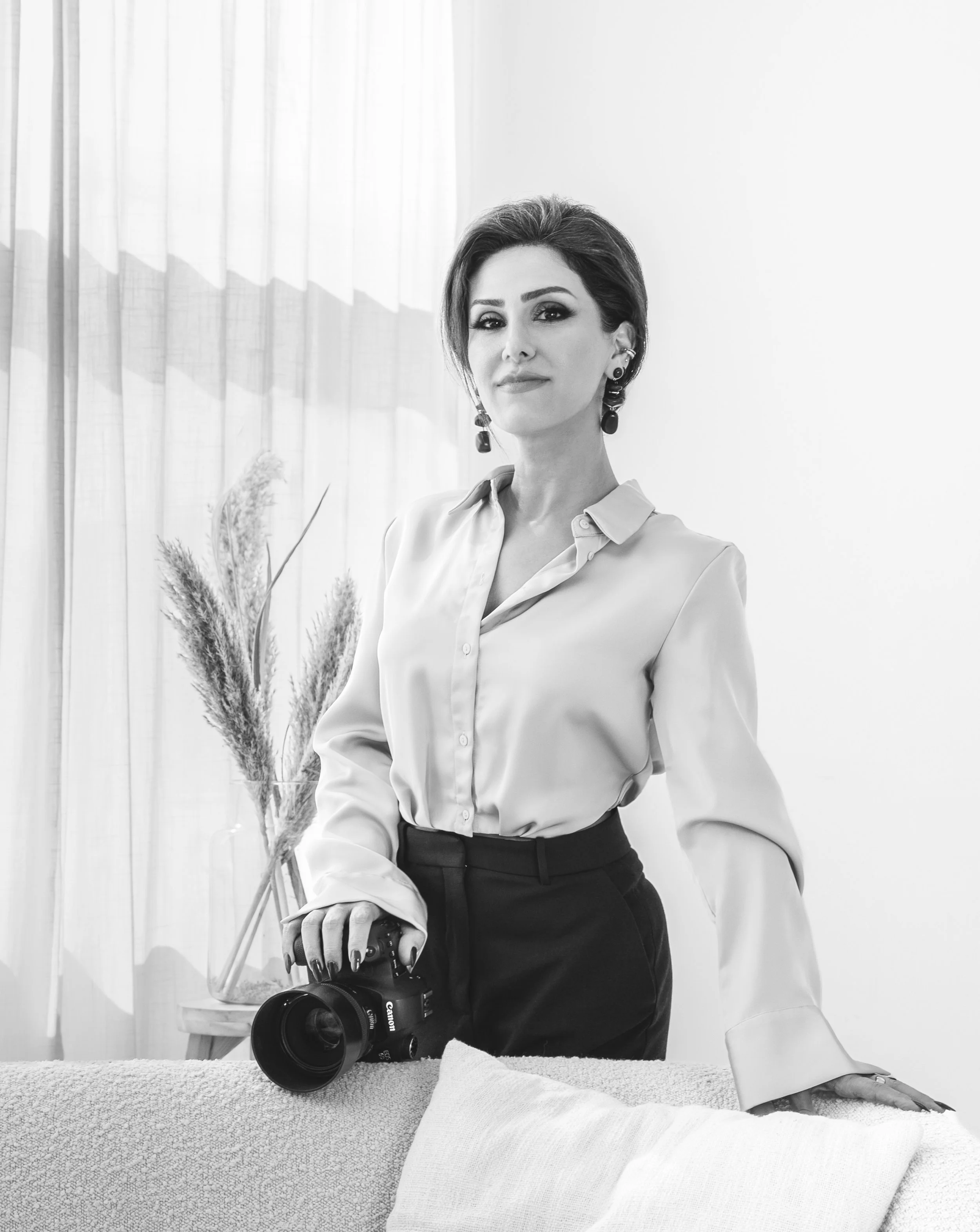
Your Visuals Are Already Talking. What Are They Saying?
For a long time, I was tired of explaining myself.
Not to strangers — to my own family & friends. I'd tell them I'm not just a photographer, that there's a whole layer of strategy and brand thinking underneath what I do, and I'd watch the words not land. Not because they disagreed. Because they genuinely couldn't picture it. I had the right words. They just weren't doing the job.
So I stopped explaining. I started showing instead.
That shift changed more than a few conversations at family dinners. It's the entire reason I believe what I believe about visual branding now:
Some things can't be explained into understanding. They have to be shown.
The Real Problem Was Never "Not Enough Content"
Most business owners who feel unseen assume the fix is volume. Post more. Show up more often. Fill the gap with more content, and eventually people will get it.
That's rarely the actual problem. The problem isn't how much exists , it's what the existing content is actually saying. You can post every day and still be misunderstood, because the issue was never quantity. It was translation.
Beautiful imagery without strategic intention is just pretty content. It'll get likes. It might even get shares. But if it isn't built to say something specific about who you are and what you do, it's decoration not communication. And decoration doesn't convert confusion into clarity, no matter how much of it you make.
Your Ideal Client Is Deciding Before You Ever Speak to Them. Here's the part that changes how you think about all of this:
By the time someone reaches out to you- books a call, replies to a DM, fills out a form - a decision has usually already been made. Visually. Before a single word was exchanged.
Your visuals are doing that work whether you've planned for it or not. Someone lands on your page, scrolls your feed, sees a photo of you - and in a few seconds, they've already formed an impression of your value, your level, whether you're "for them" or not. That impression happens before your copy gets read, before your offer gets explained, before you ever get the chance to make your case in person. If your visuals don't communicate what you actually do and what you're actually worth, the right people don't argue with you about it. They just don't reach out. Quietly. You never see the moment it happened - you only notice, eventually, that fewer of the right people are showing up.
That's what makes visuals the highest-leverage fix available to most businesses. Not a nice-to-have. The first conversation you have with every single potential client, whether you're in the room for it or not.
What It Actually Feels Like When Your Visuals Finally Match You
There's a specific kind of relief that shows up when this shifts — and it's less dramatic than people expect, and more useful.
It's fewer paragraphs of over-explaining in your DMs. It's discovery calls that start further along, because the person already half-understood what you do before they booked the call. It's people arriving already leaning in, instead of arriving skeptical and needing to be convinced from zero.

That's the real version of "you don't have to convince people anymore."
It's not that persuasion becomes unnecessary - it's that your visuals have already done the first, hardest part of it before you ever open your mouth. You're not starting every conversation from scratch anymore. You're starting from a point where they already get it.
A founder Doesn't Have to Look Corporate to Look Credible
Here's where I get a little more opinionated, because I think this specific point matters more than it gets credit for.
There's a template for what "credible" is supposed to look like — a certain kind of stiffness, a certain visual language borrowed from corporate spaces that were never really built with ambitious founders in mind. And a lot of founders shrink their visual identity to fit that template, believing it's the price of being taken seriously.
I don't think that's true, and I don't think it serves anyone well. Credibility doesn't require corporate. It requires clarity, intention, and a visual identity that actually matches the level you're operating at, which is a completely different thing than looking buttoned-up and safe.
Your visual identity should catch up with your ambition, not shrink to fit an outdated idea of what professional is supposed to look like. Those are two different goals, and only one of them actually serves your business.
Your Visuals Are Already Communicating Something
I stopped trying to explain what I do with words, and let the images do it instead. That option is available to you too. It's not unique to photographers, or to me.
The real question was never "do I need more content." It's simpler and a little more uncomfortable than that: does what already exists actually say who you are? Or is it quietly saying something else - something smaller, vaguer, less specific than the truth?
If you're not sure, that's usually the sign worth paying attention to. And if you're ready to find out, I'd love to talk.
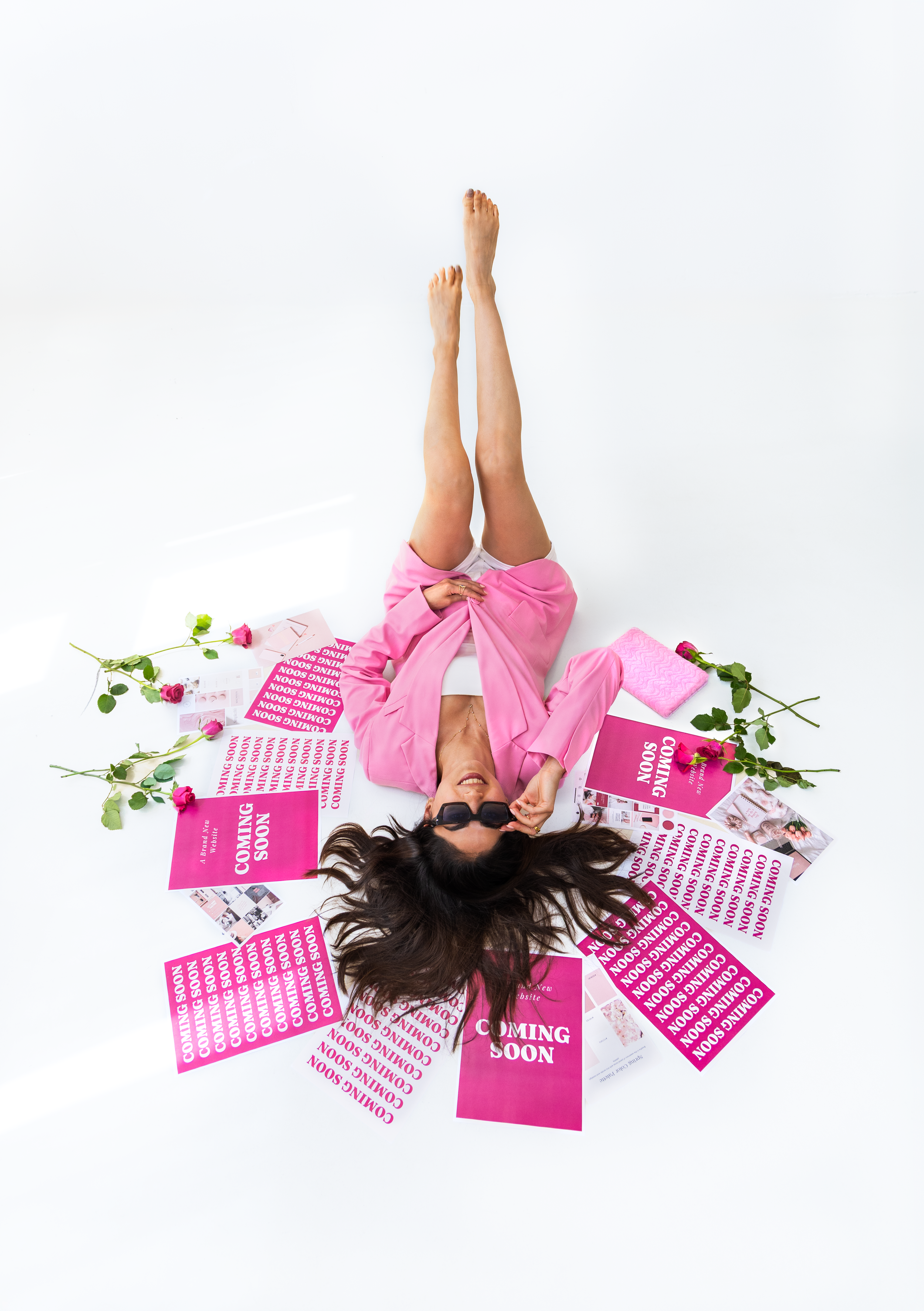
This Isn't just a Photoshoot.
It's a Brand Transformation.
Everything above is why I don't think about this work as a content delivery service. A photoshoot that just produces images is a transaction. What I'm actually interested in is something closer to a transformation — a shift in how you're understood, how you're perceived, and ultimately, how you're valued.
Strategy has to come first.
The photography is just the execution of that strategy, the visible result of already knowing who you are, who you're speaking to, and what you need people to understand the moment they see you. Without that groundwork, you just get more photos. With it, you get photos that actually do something.
That's the difference between content and communication. And it's the whole reason this work matters to me the way it does.
I still think about that moment with my family — the one where I stopped explaining and just showed them instead. It's the smallest possible version of what I do for clients now, just at a bigger scale.